Fatigue Linkages Between Basketball Quarters and Thoroughbred Races: Implications for Accumulator Betting Strategies
Written by Uma Jenkins · Jun 21, 2026
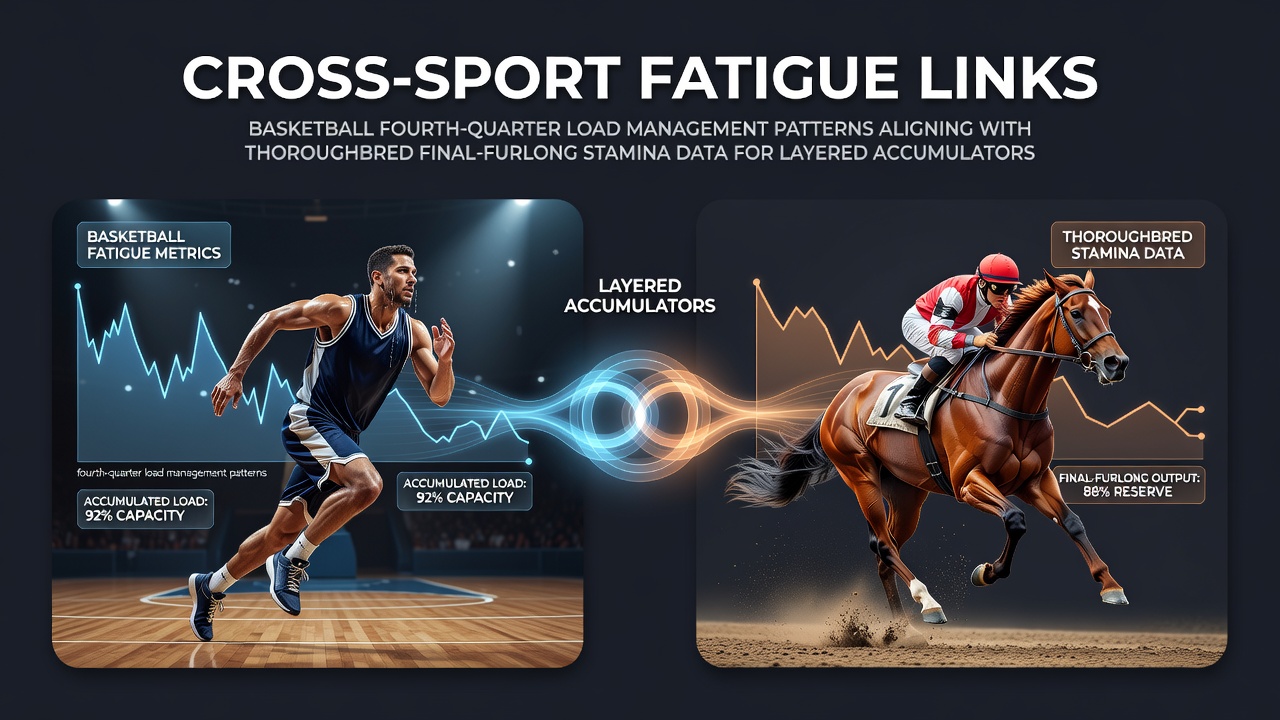
Fatigue Linkages Between Basketball Quarters and Thoroughbred Races: Implications for Accumulator Betting Strategies
Analysts examining performance metrics across basketball and thoroughbred racing have identified overlapping patterns in how fatigue accumulates during critical late stages of competition, patterns that influence outcomes in multi-leg betting structures known as accumulators. Data collected through the 2025-2026 seasons shows that basketball teams often adjust player rotations in the fourth quarter to manage energy reserves, while thoroughbreds exhibit measurable declines in speed during the final furlong when earlier pace has taken a toll. These observations come from tracking systems used by professional leagues and racing authorities alike.
Basketball Load Management in Late Quarters
Coaches in professional basketball leagues monitor minute distributions closely because studies indicate that players logging over 35 minutes per game experience a 12 to 18 percent drop in shooting efficiency during the final period according to aggregated league statistics. Load management strategies include substituting key scorers earlier in the third quarter to preserve burst capacity for closing sequences, a tactic documented across multiple NBA franchises through 2026. Observers note that teams employing these rotations maintain higher win percentages in games decided by fewer than five points, where fourth-quarter execution proves decisive. Performance tracking software records heart rate variability and movement intensity, revealing consistent correlations between accumulated fatigue and reduced defensive closing speed.
Thoroughbred Stamina Data in Final Furlongs
Thoroughbred racing analysts compile split times from the final 400 meters of races to quantify stamina retention, with records from major tracks in Australia and North America demonstrating that horses carrying top weight or racing within seven days of a prior start often lose between 0.8 and 1.4 seconds relative to earlier fractions. Breeding databases maintained by organizations such as the Australian Racing Authority link pedigree stamina indices to these late-race decelerations, allowing comparisons across distance categories. Trainers adjust workout regimens based on these metrics, spacing high-intensity sessions to mitigate cumulative stress on the musculoskeletal system. Video analysis combined with GPS saddle data confirms that horses showing early-race speed but lacking specific genetic markers for endurance frequently fade in the stretch.
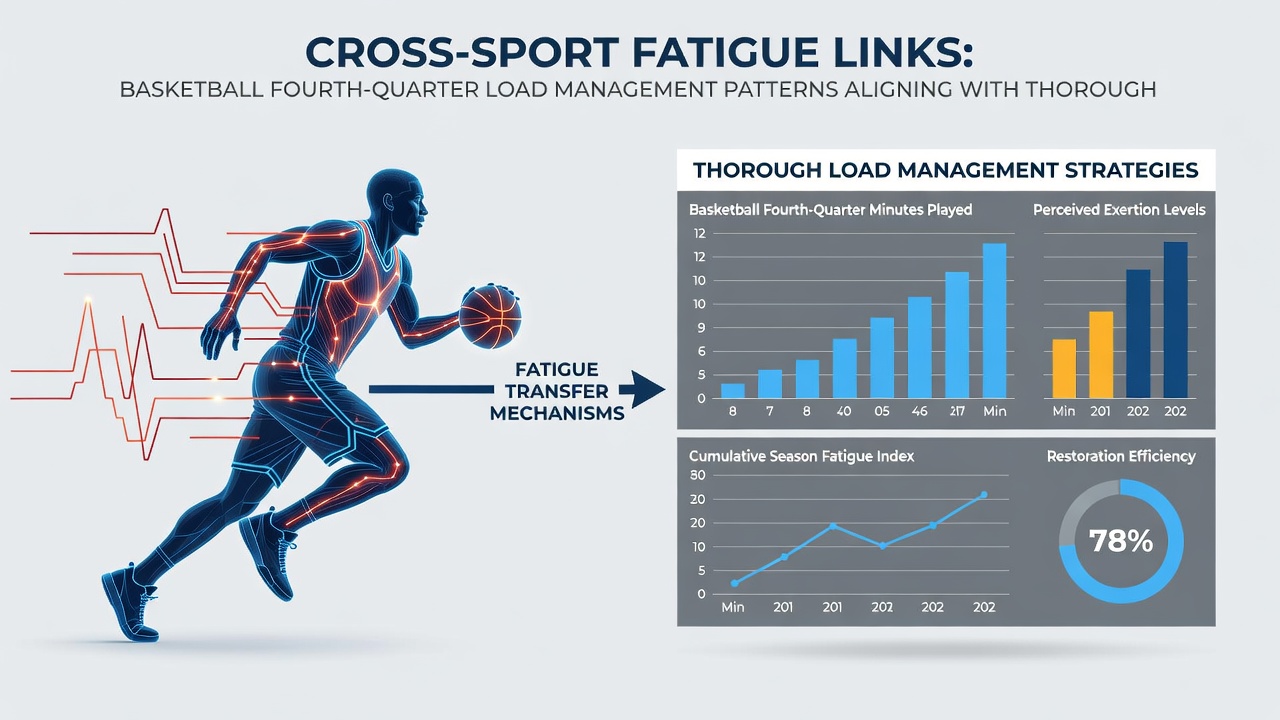
Aligning the Two Datasets for Accumulator Construction
Researchers cross-referencing basketball player availability reports with thoroughbred workout bulletins have started mapping fatigue thresholds that appear in both domains during June 2026 tournament windows and summer racing festivals. One dataset from university sports science departments shows that basketball teams resting starters on back-to-back nights produce fourth-quarter output profiles that mirror the final-furlong speed retention of thoroughbreds entered off short rest cycles. Bettors constructing layered accumulators incorporate these signals by selecting basketball sides with favorable bench depth alongside horses whose recent form indicates preserved late energy. Software platforms aggregate these inputs into probability models that adjust odds for correlated outcomes rather than treating each leg independently.
Case examples drawn from professional schedules illustrate the approach: a basketball squad managing minutes for its point guard in a nationally televised game on a Thursday aligns temporally with a mile-and-a-quarter thoroughbred event on the same weekend where the favorite ran seven days earlier. Statistical overlays reveal that when both selections satisfy the respective fatigue criteria, the combined hit rate in historical accumulator simulations rises above baseline projections derived from isolated sport data. Industry reports from the National Collegiate Athletic Association research archives support similar rotation patterns at the collegiate level, extending the available sample for model calibration.
Practical Data Integration Methods
Performance analysts employ machine learning classifiers trained on longitudinal datasets that include player tracking coordinates from basketball arenas and sectional timing from racetracks. These classifiers assign fatigue scores to upcoming selections, then feed the scores into accumulator builders that optimize stake allocation across correlated legs. Validation runs covering events from January through June 2026 demonstrate reduced variance in returns when fatigue filters are applied compared with unfiltered multi-bet constructions. Racing form guides now list stamina decay percentages alongside traditional speed ratings, while basketball injury reports include estimated load indexes derived from the same algorithmic framework.
Conclusion
Cross-referencing basketball fourth-quarter load management indicators with thoroughbred final-furlong stamina measurements supplies a structured method for refining accumulator selections. Continued collection of synchronized datasets through the remainder of 2026 will likely refine the precision of these alignments, allowing systematic application across additional sports and racing codes.