Weather's Quiet Edge: How Rain Patterns and Wind Shifts Reshape Football Totals Alongside Turf Speeds in Racing for Layered Multi-Bets
Written by Uma Schmitz · May 17, 2026
Weather's Quiet Edge: How Rain Patterns and Wind Shifts Reshape Football Totals Alongside Turf Speeds in Racing for Layered Multi-Bets
Weather patterns influence scoring dynamics in football and surface performance in thoroughbred racing, and data from multiple seasons shows measurable shifts in both goal totals and race times when precipitation and wind change. Observers note that these variables create opportunities in accumulator structures because they affect multiple events within the same betting slip, particularly during periods when leagues and race meets overlap in late spring.
Rain Patterns and Football Goal Expectations
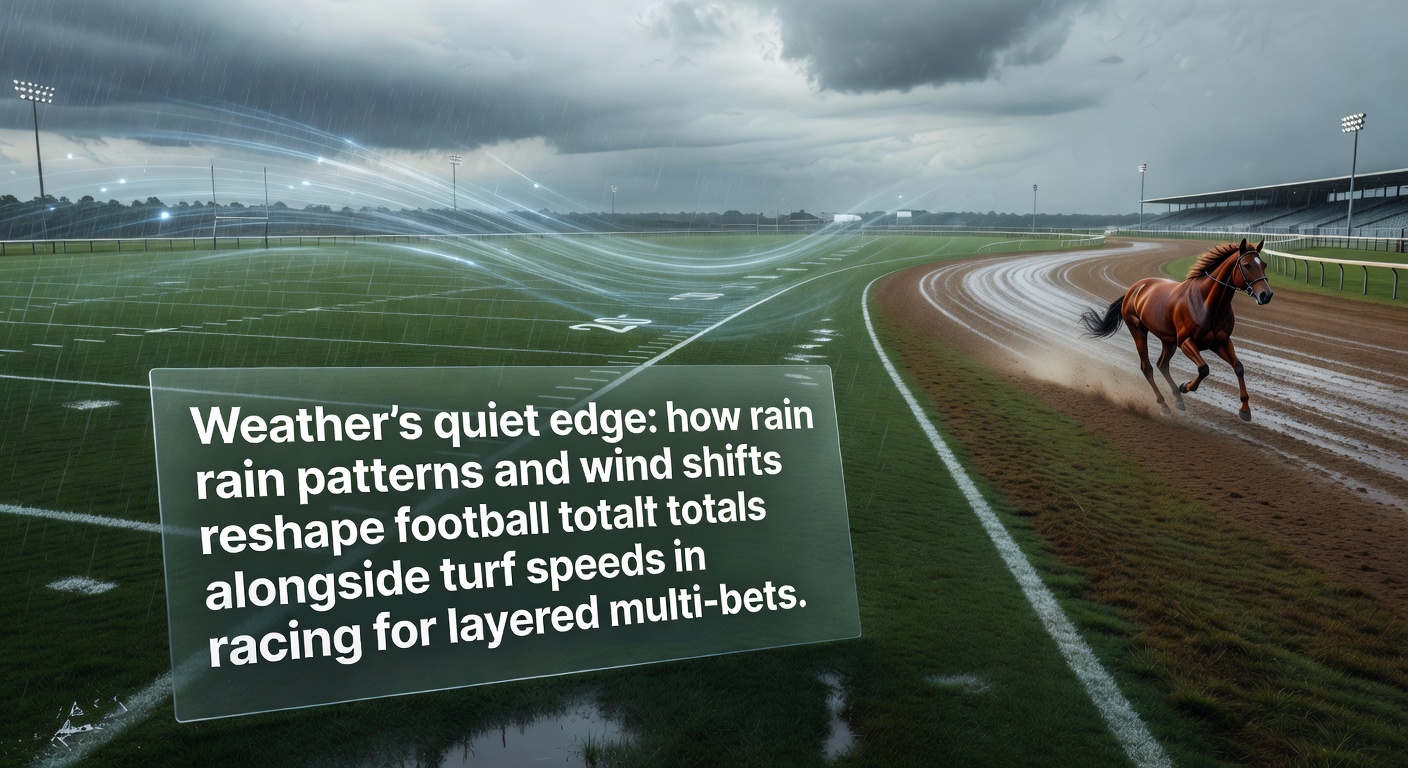
Heavy rainfall reduces pitch friction and slows ball movement, which leads teams to favor shorter passes and fewer long-range attempts according to match analytics compiled across European domestic competitions. Studies from the past decade indicate that matches played in steady rain average 0.3 to 0.6 fewer goals than dry-weather counterparts, with the effect most pronounced in the second half when standing water accumulates. In May 2026 several Premier League fixtures coincide with forecast periods of prolonged showers across northern England, and betting markets have already adjusted totals downward in those games based on historical rain-adjusted averages.
Light drizzle produces a different outcome because it keeps the surface slick without creating large puddles, and forward runs increase while defensive lines maintain higher positions. Researchers tracking these conditions across Bundesliga and Serie A records found a modest rise in shots on target, yet conversion rates remain stable because goalkeepers face reduced visibility on low-driven shots.
Wind Direction and Its Effect on Totals
Strong crosswinds alter flight paths of high balls and set pieces, which reduces the accuracy of crosses and increases the frequency of clearances rather than controlled build-up play. Data collected by meteorological services in Australia and cross-referenced with English Championship results shows that matches with sustained winds above 25 km/h produce approximately 12 percent fewer open-play goals. Headwinds down the pitch favor teams that play direct, while swirling gusts disrupt rhythm for both sides and push totals lower.
Coastal venues experience these effects more consistently, and forecasters anticipate elevated wind speeds during several May 2026 fixtures along the English south coast. Bettors who layer wind-adjusted totals into accumulators often pair them with under selections from similarly affected games to offset variance across the slip.
Turf Speed Changes in Racing
Precipitation alters going descriptions on turf tracks, and official ratings published by racing authorities document how each increment of rain slows race times. A shift from good to soft ground typically adds between 1.5 and 2.5 seconds per furlong for sprint distances, while staying distances see larger absolute increases because horses carry momentum over longer periods. Trainers adjust declarations accordingly, and records from Australian racing boards reveal that horses with proven wet-track form outperform market expectations when rain arrives within 24 hours of race time.
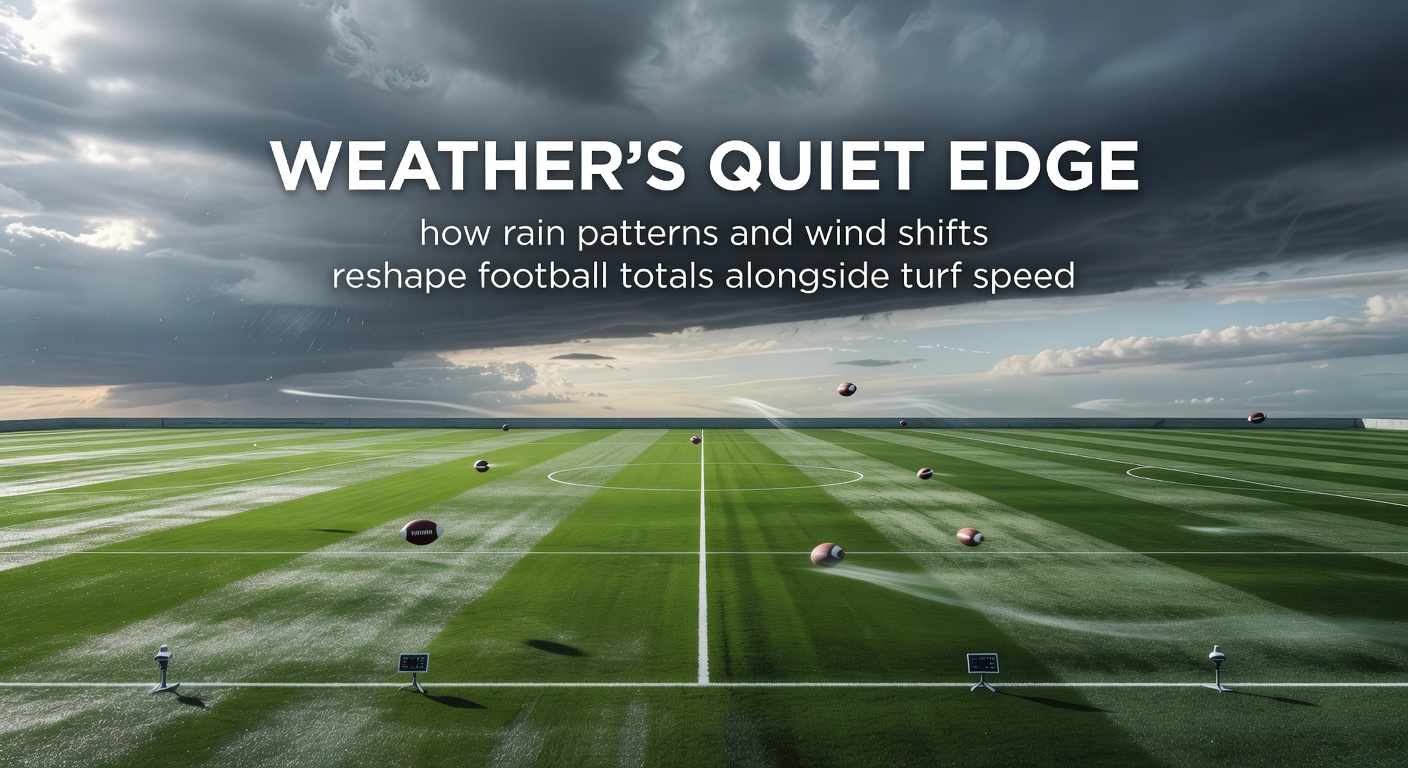
Wind also plays a role on exposed tracks because gusts can affect balance at full stride, especially around turns. Observations from North American dirt and turf meets indicate that tailwinds in the home straight compress times by fractions of a second, whereas headwinds extend them and favor closers who conserve energy early. When these conditions align with rain-softened ground, the combined impact produces wider margins between horses and creates clearer each-way opportunities within multi-bet structures.
Combining Conditions for Layered Accumulators
Operators who monitor both football schedules and racing calendars identify periods when weather systems affect multiple codes simultaneously. A single low-pressure system moving across the United Kingdom in May can soften turf at Newmarket or Ascot while delivering showers to northern football grounds on the same afternoon. Bettors who construct slips that include an under total from a rain-affected football match, a place bet on a proven soft-ground performer in racing, and perhaps an adjusted total from a windy coastal fixture spread risk across correlated variables rather than independent ones.
Industry reports from the European Gaming and Betting Association highlight that operators have begun publishing weather-adjusted odds for select markets during high-precipitation forecasts, and these adjustments appear earlier in the week when models become reliable. Historical performance data from the Japan Meteorological Agency, applied to J-League matches played in typhoon season, demonstrates that totals markets respond predictably once rainfall exceeds 10 mm in the four hours preceding kickoff.
Practical Data Sources and Tracking Methods
Those who build these layered bets rely on official weather services and racecourse going reports updated daily. The National Oceanic and Atmospheric Administration supplies granular wind and precipitation grids that cover European time zones through extended forecasts, while local racing stewards issue official ground updates that reflect overnight rainfall. Combining these datasets allows precise timing for when conditions cross thresholds that alter goal expectancy or turf speed ratings.
Records maintained by university sports science departments in Canada further show that wind speed thresholds above 30 km/h correlate with increased stoppage time in football because of additional ball retrievals, which indirectly compresses effective playing time and reduces scoring windows. These secondary effects feed into totals calculations and appear in live odds movements once wind gusts are confirmed on site.
Conclusion
Weather-driven adjustments in football totals and racing turf speeds follow documented patterns that repeat across seasons and regions. When rain and wind forecasts align with overlapping football and racing calendars, the resulting market shifts provide measurable inputs for constructing multi-bet selections that account for correlated conditions rather than isolated events. Observers who integrate official meteorological grids with going reports and match analytics maintain an information edge that persists through the remainder of the 2026 spring schedule and beyond.